The Integration of William F. Frantz School
This study consists of two modules, each focused on a single text about the integration of William Frantz Public School. Both texts are primary sources. The first text by Ruby Bridges was published fifty years after the day she became the first black student at William Frantz Public School. The second text, an excerpt from John Steinbeck’s nonfiction travelogue Travels with Charley: In Search of America, was published in 1962 and recounts his firsthand observations of that day.

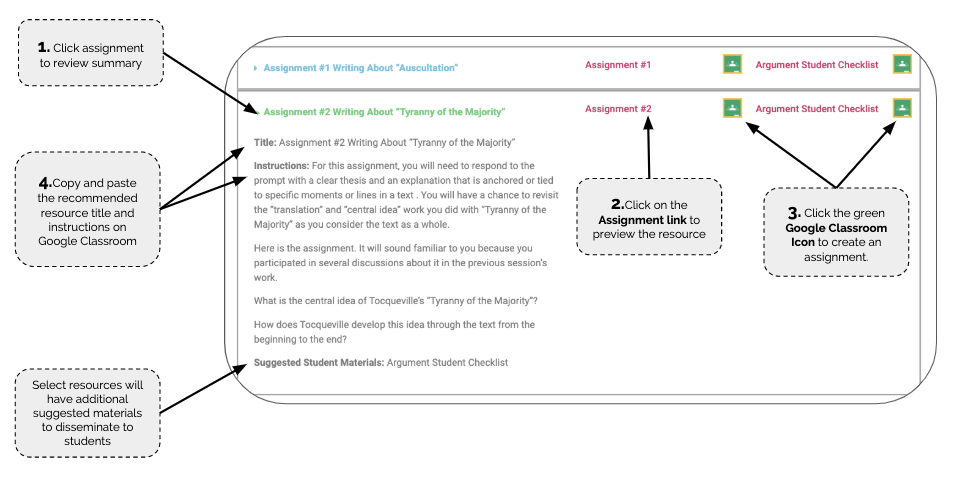
Table of Contents
Writing Tasks
Title: Writing Across Texts
Teacher Manual Instructions:
Session 2-E
In this unit, you worked closely with two texts, “50 Years Later, I’m Still Trying to Integrate My School” by Ruby Bridges and an excerpt from Travels with Charley by John Steinbeck. You tracked what you learned from the texts, worked through unfamiliar terms and confusing moments, determined the central ideas and their supporting details, and in the case of the excerpt from Travels with Charley, you studied the author’s perspective on the people involved in the events surrounding the integration of William Frantz Public School. All of this work has prepared you for this writing assignment.
Please write a multi-paragraph paper in which you explain what you see as the two most significant differences between “50 Years Later, I’m Still Trying to Integrate My School” by Ruby Bridges and the excerpt from Travels with Charley by John Steinbeck. Use evidence from both texts to develop and support your ideas. |
Charts for Discussion
Title: “50 Years Later”: Unfamiliar Terms and Confusing Moments
Teacher Manual Instructions:
Session 1-A
To create the second master list, call on students to share the unfamiliar terms and confusing moments from their group list. Capture these in column two of the class chart. Be sure to include line numbers for each term or moment in the first column.
Once the first two columns have been completed, add a third column header to this master list so that it looks like the table shown on page 18 of the teacher manual.
Title: Definition of Central Idea
Teacher Manual Instructions:
Session 1-C
-
Remind students of the work they’ve done so far with the text “50 Years Later.” Tell them that today they are going to consider the central idea or ideas that Bridges wants readers to take away from this text.
-
Before students begin, ask for volunteers to provide a definition of “central idea.” Then ask students for ways they might go about determining the central idea(s) in a text. Capture students’ responses on the board or a chart. Support students in understanding that central ideas are developed across an entire text, not just in one part of the text. Additionally, make sure students understand that we determine authors’ central ideas by considering what they say (e.g., the content) and by considering the language authors use to develop the content.
Title: Travels with Charley: Unfamiliar Terms and Confusing Moments
Teacher Manual Instructions:
Session 2-A
Next, ask the class to collaborate to create a master list of the unfamiliar terms and confusing moments they identified. Capture these on a class chart titled “Travels with Charley: Unfamiliar Terms and Confusing Moments.”
Checks for Understanding
Title: What We Learned About Ruby Bridges and the Integration of William Frantz Public School
Teacher Manual Instructions:
Session 1-A
Reconvene the class and facilitate a whole-group share out in which the class collaborates to create two master lists: (1) what students learned from reading this text, and (2) unfamiliar terms and confusing moments.
To create the first master list, call on students to share what they learned from reading this text and capture their responses on a chart titled “What We Learned About Ruby Bridges and the Integration of William Frantz Public School.” Students should point to places in the text to support their responses.
As appropriate, ask students whether what they’ve stated is a verifiable fact or Bridges’ opinion or judgment.
Structure the discussion and chart so that students report on what they learned about one aspect of the text such as Bridges’ first days of school before reporting on another aspect of the text such as how the events affected Bridges’ future.
As part of this conversation, have students consider the author of this text and the date in which it was written. Have them consider how the author and date might influence the information that’s provided.
Title: Our Questions about Ruby Bridges and the Integration of William Frantz Public School
Teacher Manual Instructions:
Session 1-A
Finally, ask students what questions they have about Ruby Bridges and the integration of William Frantz Public School. These questions are ones that come up as a result of reading this text. Capture their questions on a chart titled something like “Our Questions about Ruby Bridges and the Integration of William Frantz Public School.” Keep this chart so that students can add to it or cross questions off the list after they read the second text in this unit.
Independent Reading
Title: Reading Log
Teacher Manual Instructions:
Independent Reading
As you transition to independent reading, discuss how students can keep a reading log. Show students how you would like them to set up and use their reading log to record their independent reading this year. An example of one way a reading log could be set up is provided nearby. You may choose to have students create a table in their notebooks, use a pre-made sheet, or a digital format.
Explain to students that they should make an entry in their log only after they have finished a book. You will need to negotiate with students how to handle the entry of magazine readings (for example, entire issues versus individual articles).
After students have set up the log, including proper headings, creating the grid, etc., show students how to make an entry.
Answer any questions students have about the reading log.
Begin independent reading.
Consider conducting individual reading conferences with students as they are engaged in independent reading. In No More Independent Reading Without Sup- port, Debbie Miller and Barbara Moss (2013) suggest that during early conferences, you should listen to students and work to build trust: Ask students how they view reading and how they think of themselves as readers; ask what they are interested in. Over time you can ask more about what they are reading and about how you can help them or what they are struggling with. Use what you learn from these conversations to guide additional instruction with groups or with the class.
Title: Independent Reading – Individual Planning Sheet
Instructions:
Title: End of Marking Period Self-Assessment
Instructions: