Shakespeare at the Movies:
Much Ado About
Nothing - Grade 12
Nothing - Grade 12
In this study, students will work closely with William Shakespeare’s comedy
Much Ado About Nothing. There are two primary goals in this unit: First, to provide students with a close encounter, marked by complete cycles of comprehension and interpretive work, with one of Shakespeare’s most beloved comedies. At the end of the unit, students will know the play, and they will have thought carefully about some of its major issues and themes. Second, they will have an opportunity to think about what happens when a “source text” like Shakespeare’s play is interpreted by, in this case, two filmmakers. To this end, the class’s encounter with the play will begin with the viewing of Joss Whedon’s 2013 sleek and modern adaptation, a film he shot in his own home after he was done shooting his blockbuster superhero movie The Avengers. Whedon’s film will scaffold students’ initial orientation to the play
and prepare the way for the work in the later portions of the study where Whedon’s interpretation is compared with Kenneth Branagh’s 1993 film version of the play.
By the end of the study, students will have had an encounter with one of Shakespeare’s most famous comedies, and they will have engaged in a careful side-by-side consideration of two film adaptations of the original script. They will also have evolved and applied a sophisticated and thorough vocabulary for understanding the choices a director makes when he or she stages or films a retelling of an “open text.”

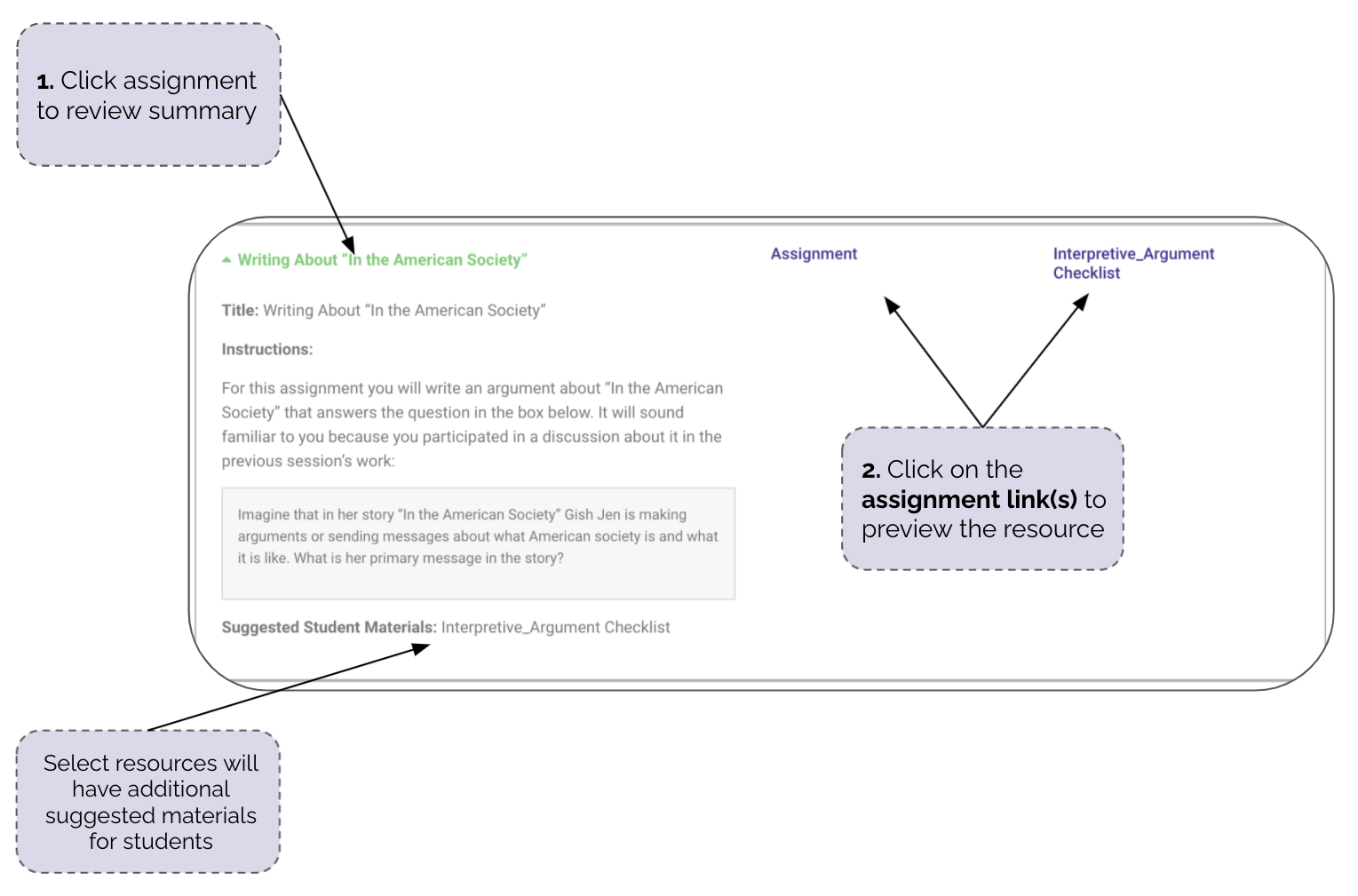
Table of Contents
Writing Tasks
Title: Tracking Whedon’s Much Ado About Nothing
Teacher Manual Instructions:
Session 1-5
Remind students that during this first cycle of watching and tracking the play, they don’t need to worry about referencing scene or page numbers. It will be enough for them to organize the tracking information according to the five acts (one act per tracking sheet). They can add information on scenes, lines, and page numbers later, as they read the text of the play.
Title: The First Interpretive Assignment: Writing About Whedon’s Much Ado About Nothing
Teacher Manual Instructions:
Session 7
Suggested Student Materials: Interpretive_Argument Checklist
Title: Tracking Branagh’s Much Ado About Nothing
Teacher Manual Instructions:
Session 12 – 16
As with the Whedon viewing, after watching Branagh’s entire film, each student should have five completed tracking sheets—one for each of the five acts in the play. Note that these forms are different than the tracking forms for Whedon and feature only two columns: one for summarizing key moments or events related to the theme of love and one for making notes or jotting questions about similarities and differences between the two films. Once again, students should have time after each viewing (or each act) to fine-tune or amplify the information they add to a tracking sheet.
Point out that this tracking sheet is slightly different than the one they used
to track Whedon’s film. On this tracking sheet, the “Key Moments or Events” column is used to track, specifically, “moments and events related to the theme of love.” The second column of the tracking sheet is intended for students to make notes or raise questions about the similarities or differences between the two films as they relate to the specific moments in the first column.
Title: The Final Interpretive Assignment Comparing Whedon and Branagh
Teacher Manual Instructions:
Session 12 – 16
Suggested Student Materials: Interpretive_Argument Checklist
Checks for Understanding
Title: Act 1, Scene 1: Whedon vs. Branagh
Teacher Manual Instructions:
Session 10
Reconvene the whole class. Facilitate a brief discussion about the different choices each director made in their film versions of the scene. Capture this comparison on a two-column chart titled something like “Act 1, Scene 1: Whedon vs. Branagh.” Use the left column for Whedon’s choices and the right for Branagh’s. The intention here is to help clarify and firm up the class’s sense of how Whedon’s and Branagh’s scenes are similar and different.
Title: Whedon’s Choices: Effects
Teacher Manual Instructions:
Session 11
In addition to facilitating this conversation, work hard to capture and distill the major claims students seem to be making. Capture these claims on two charts, one for each film. Title these charts something like “Whedon’s Choices: Effects” and “Branagh’s Choices: Effects.” Push students to generate film- and script-based evidence to illustrate and support each entry.
Title: Branagh’s Choices: Effects
Teacher Manual Instructions:
Session 11
Title: Choices: Whedon vs. Branagh
Teacher Manual Instructions:
Session 17
Unit Resources
Title: The First Interpretive Assignment Writing About Whedon’s Much Ado About Nothing
Title: The Final Interpretive Assignment Comparing Whedon and Branagh
Title: Branagh’s Much Ado About Nothing Time Code and Scene Sequence
Title: Grades 11 and 12 – Interpretive_Argument Rubric
Title: Grades 11 and 12 – Informational_Explanatory Rubric
Title: Scaffolds and Modifications: Descriptions and Use