Reading and Writing Fairy Tales - Grade 6
The work of this unit is devoted, ostensibly, to the study of fairy tales. In the unit, students will do several kinds of work with and around fairy tale texts. All of this work is fundamentally interpretive and is marked by significant amounts of reading, writing, and discussion.
Much of the work in the unit is framed by one or more of three passages excerpted from Bruno Bettelheim’s classic book on fairy tales, The Uses of Enchantment. In this work, students will learn to use Bettelheim’s text as a lens and a frame for thinking about fairy tales. In particular, students will test the claims they see Bettelheim making about fairy tale stories by applying them to their own reading and rewriting of fairy tale texts.


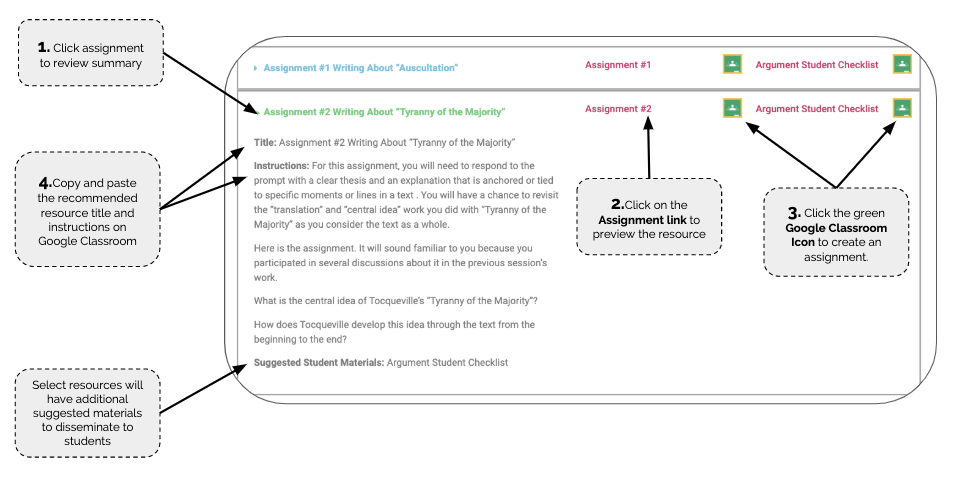
Table of Contents
Writing Tasks
Title: What Do Fairy Tales Do That Children’s Literature Does Not?
Teacher Manual Instructions:
Session 3
Recap the work students have done so far with “The Struggle for Meaning.” Tell students that during this session, they will do one last round of work with this selection.
Place the following question on the board:
“In this selection, Bettelheim is very critical of what he calls ‘children’s literature.’ According to Bettelheim, what do fairy tales do that children’s literature does not?”
Review the question with the class and answer any questions students have about it.
Tell students that they will have the work period to work on an answer to the question on the board and that they will do this work in groups of two or three.
Place students in pair or trio groups.
Title: Studying Fairy Tales
Teacher Manual Instructions:
Session 5
Display a copy of “Studying Fairy Tales” for the class to see and distribute paper copies to the students. (A copy-ready version of this form can be found in the Appendix.)
Review the form and answer any questions students have about it.
Explain to the class that there are a number of reasons why writers might be interested in retelling/revising an old fairy tale narrative. Invite volunteers to offer ideas about why a writer might revise or change a fairy tale. If no one offers any ideas, just move on. Tell students that they’ll be better prepared to think about reasons for rewriting after they’ve studied the fairy tale they selected.
Remind the class that this fairy tale study work is scaffolding for the students’ own fairy tale rewriting that they will do later in the unit.
Place students in their fairy-tale specific groups. Divide any groups larger than three into a smaller group.
Give groups the work period to begin reading and making notes about their fairy tales.
Title: Independent Quick Write: According to Bettelheim, why are fairy tales good for children?
Teacher Manual Instructions:
Session 12
Give students time to compose a short (1-2 page) quick write that answers the question “According to Bettelheim, why are fairy tales good for children?” This is independent work.
Remind students that they should refer to the second Bettelheim selection, “Fairy Tales and the Existential Predicament,” their notes, and any charts generated during the work with the text.
Use this time to confer with students about this work.
Title: Reading and Writing About Fairy Tales – “What Would Bettelheim Say?”
Teacher Manual Instructions:
Session 14
Review the “What Would Bettelheim Say?” assignment and answer any questions students have.
Tell students that they will have the work period to begin work on this assignment. Strongly consider working with the class to identify concrete ways groups can spend their time in this session’s work period.
Place students in groups of twos or threes.
Give students time to begin work on the “What Would Bettelheim Say?” assignment.
Use this time to confer with students about this work.
Title: Reading and Writing About Fairy Tales – Rewriting a Fairy Tale
Teacher Manual Instructions:
Session 17
Give students time to begin working on this assignment. The class-generated short assignments list can give students some clear options for how to use this time.
Use this time to confer with students about their work.
Title: Tracking a Fairy Tale Movie
Teacher Manual Instructions:
Session 23-25
Before you begin showing the film, take some time to provide students with a brief orientation to work of this part of the unit.
Explain to students that over the next several sessions they will be work- ing with a movie version of a fairy tale. The goal of this work is two-fold:
to expose students to another retelling a fairy tale—this time in a different media—and to continue the thinking they did about Bettelheim by considering what he might say about this particular version of the tale.Display a copy of “Tracking a Fairy Tale Movie” and distribute several copies of the sheet to each student.
Explain to students that they will watch the movie in class over the next few sessions. Tell students that their job during the film is to jot on the tracking sheet brief notes about characters and key moments or events in the session’s viewing. Explain to the class that you will stop the viewing with enough time at the end of the session for the students to go back and make additional notes.
Title:The Final Assignment – Interpreting a Fairy Tale Movie
Suggested Student Materials: Interpretative/Argument Student Checklist
Charts for Discussion
Title: Bettelheim’s Claims About Fairy Tales
Teacher Manual Instructions:
Session 1
Facilitate a short, whole-group share where the class collaborates to create a master list of the same type of information. Call on students to share what they noticed Bettelheim saying. Students should point to places in the text to support their responses. Capture student responses on a class chart also titled “Bettelheim’s Claims About Fairy Tales.” Be sure to include page and line numbers for each claim. (It’s important to note that the pace of this “what we noticed” activity is brisk and not at all comprehensive. This chart will be added to in the upcoming sessions.) Allow students a few extra minutes to record any additional insights from the master list into their own notebook.
Title: Why Fairy Tales Are Good for Children
Teacher Manual Instructions:
Session 8
After you’ve finished reading the text aloud, tell students that they will have an opportunity to discuss some of the things they noticed Bettelheim saying about why fairy tales are good for children. Place students in pairs or trios and give them 5-6 minutes to work together to create a list in their notebook of what they noticed Bettelheim saying. They can title this chart “Why Fairy Tales Are Good for Children.”
Facilitate a short, whole-group share where the class collaborates to create a master list of the same type of information. Call on students to share what they noticed Bettelheim saying. Students should point to places in the text to support their responses. Capture student responses on a class chart also titled “Why Fairy Tales Are Good for Children.” Be sure to include page and line numbers for each claim. It’s important to note that the pace of
this “what we noticed” activity is brisk and not at all comprehensive. This chart will be added to in the upcoming sessions. Allow students a few extra minutes to record any additional insights from the master list into their own notebook.
Title: Reasons or Ways to Change or Revise Fairy Tales
Teacher Manual Instructions:
Session 7
Save 10-12 minutes for this work.
Create a chart titled “Reasons or Ways to Change or Revise Fairy Tales.”
Invite volunteers to share some of the ways their versions differed. After each of these sharings, ask the class to help you convert the findings into language to place on the “Reasons or Ways” chart. Remind students that this chart will help them get ideas for the kinds of changes they might make in their own retellings. Examples of “Reasons or Ways” items might include the following:
Change a character’s gender.
Change the setting to better match a different audience.
Change the kind of problem the main character faces.
Change the ending so that it better reflects natural consequences for actions.
Title: Section 1: A Translation
Teacher Manual Instructions:
Session 9
Wrap up the search and study work by asking students to reread the first section of text again given their new insights, which have been entered in the “What did we learn” column of the chart.
Afterwards, work with the whole class to craft a translation of the first section of text. Capture this translation on a chart and title it something like “Section 1: A Translation.”
Title: Section 2: A Translation
Teacher Manual Instructions:
Session 9
Wrap up the search and study work by asking students to reread the second section of text again given their new insights, which have been entered in the “What did we learn?” column of the chart.
Reconvene the whole group and work with the class to craft a translation of the second section of text. Capture this translation on a chart and title it something like “Section #2: A Translation.”
Checks for Understanding
Title: “The Struggle for Meaning”: Unfamiliar Terms and Confusing Moments
Teacher Manual Instructions:
Session 1
Reconvene the class and facilitate a whole-group share where the class collaborates to create the first two columns of a second master chart titled “‘The Struggle for Meaning’: Unfamiliar Terms and Confusing Moments.”
To create this chart, call on students to share the unfamiliar terms and confusing moments from their group list. Capture these in column two of the class chart. Be sure to include page and line numbers for each term or moment in the first column.
Wrap up the work in this session by asking students to share one or two things they learned from this text that they found most interesting or surprising.
Title: Strategies for Reading Difficult Texts
Teacher Manual Instructions:
Session 2
Closing Meeting
Finally, ask students to reflect on the search and study work with a discussion of the following two questions:
What more did you learn about Bettelheim’s claims about fairy tales from doing the search and study? Add relevant responses to the class version of the “Bettelheim’s Claims About Fairy Tales” chart.
What did you learn about working through unfamiliar terms and confusing moments from doing the search and study work? What did you do to tackle some of the most challenging moments? Capture responses on a new chart titled “Strategies for Reading Difficult Texts.”
Title: Reasons and Ways Versions Differ
Teacher Manual Instructions:
Session 5
- Reconvene the class and ask volunteers to offer descriptions of any of the differences they’ve noted between the versions they’ve read so far. Capture a general description of these differences on a chart titled “Reasons and Ways Versions Differ.” Make this a working chart that students can continue to add to in the sessions ahead.
Title: “Fairy Tales and the Existential Predicament”: Unfamiliar Terms and Confusing Moments
Teacher Manual Instructions:
Session 8
Reconvene the class and facilitate a whole-group share where the class collaborates to create the first two columns of a second master chart titled “‘Fairy Tales and the Existential Predicament’: Unfamiliar Terms and Confusing Moments.”
To create this chart, call on students to share the unfamiliar terms and confusing moments from their group list. Capture these in column two of the class chart. Be sure to include page and line numbers for each term or moment in the first column.
Title: Section 3: A Translation
Teacher Manual Instructions:
Session 10
Closing Meeting
Reconvene the whole group.
In “whip around” fashion, have representatives from each small group share their translation for Section #3 with the class. Capture a distillation of the class’ translation ideas on a new chart titled “Section # 3: A Translation.”
Repeat the same process with Chunk #4.
Revisit the “Why Fairy Tales Are Good for Children” chart with the class. Ask students if there is any new information they should add to this chart or any other changes they should make based on their search and study and translation work for the last half of the text.
Remind students to be sure to update the list in their notebook. This will be a helpful reference for the whole-class discussion in the next session, as well as the quick write students will do in Session 12.
Wrap up the session by directing the class’ attention to the “Strategies for Reading Difficult Texts” chart. Ask students to add any new strategies they learned for reading difficult texts.
Title: Section 4: A Translation
Teacher Manual Instructions:
Session 10
Closing Meeting
Reconvene the whole group.
In “whip around” fashion, have representatives from each small group share their translation for Section #3 with the class. Capture a distillation of the class’ translation ideas on a new chart titled “Section # 3: A Translation.”
Repeat the same process with Chunk #4.
Revisit the “Why Fairy Tales Are Good for Children” chart with the class. Ask students if there is any new information they should add to this chart or any other changes they should make based on their search and study and translation work for the last half of the text.
Remind students to be sure to update the list in their notebook. This will be a helpful reference for the whole-class discussion in the next session, as well as the quick write students will do in Session 12.
Wrap up the session by directing the class’ attention to the “Strategies for Reading Difficult Texts” chart. Ask students to add any new strategies they learned for reading difficult texts.
Title: Revising Cinderella
Teacher Manual Instructions:
Session 13
Reserve at least 15 minutes for this meeting.
Revisit the question posed during the work period and invite volunteers to share their findings. Remember to ask students to refer to specific lines in the Bettelheim text during this discussion.
Capture the class’ remarks on a two-column chart, titled “Revising Cinderella,” placing features of Perrault’s version in one column and features of the older Brothers Grimm version in the other.
Afterwards, place a second question on the board:
“Why do you imagine Perrault made these changes?”Chart responses to this question as well.
Wrap up the session by revisiting the “Reasons and Ways Versions Differ” chart, revising and adding new items as appropriate.
Title: Bettelheim’s Claims
Teacher Manual Instructions:
Session 11
In addition to facilitating this conversation, work to capture the students’ responses to the question on a chart. Title the chart something like “Bettelheim’s Claims.”
Title: What Did You Learn About Fairy Tales and Their Uses During This Rewriting Work?
Teacher Manual Instructions:
Session 22
Reconvene the class and debrief the work period experience. Use the following question to guide this debriefing:
“What did you learn about fairy tales and their uses during this rewriting work?”
Capture distillations of this conversation on a chart.
Independent Reading
Title: Reading Log
Teacher Manual Instructions:
Independent Reading
As you transition to independent reading, discuss how students can keep a reading log. Show students how you would like them to set up and use their reading log to record their independent reading this year. An example of one way a reading log could be set up is provided nearby. You may choose to have students create a table in their notebooks, use a pre-made sheet, or a digital format.
Explain to students that they should make an entry in their log only after they have finished a book. You will need to negotiate with students how to handle the entry of magazine readings (for example, entire issues versus individual articles).
After students have set up the log, including proper headings, creating the grid, etc., show students how to make an entry.
Answer any questions students have about the reading log.
Begin independent reading.
Consider conducting individual reading conferences with students as they are engaged in independent reading. In No More Independent Reading Without Support, Debbie Miller and Barbara Moss (2013) suggest that during early conferences, you should listen to students and work to build trust: Ask students how they view reading and how they think of themselves as readers; ask what they are interested in. Over time you can ask more about what they are reading and about how you can help them or what they are struggling with. Use what you learn from these conversations to guide additional instruction with groups or with the class.
Title: Independent Reading – Individual Planning Sheet
Instructions:
Title: End of Marking Period Self-Assessment
Instructions:
Unit Resources
Title: Reading and Writing About Fairy Tales “What Would Bettelheim Say?”
Title: Reading and Writing About Fairy Tales Rewriting a Fairy Tale
Title: The Final Assignment Interpreting a Fairy Tale Movie
Title: Scaffolds and Modifications: Descriptions and Use